For Laboratory Research Use Only — Not for Human or Veterinary Use
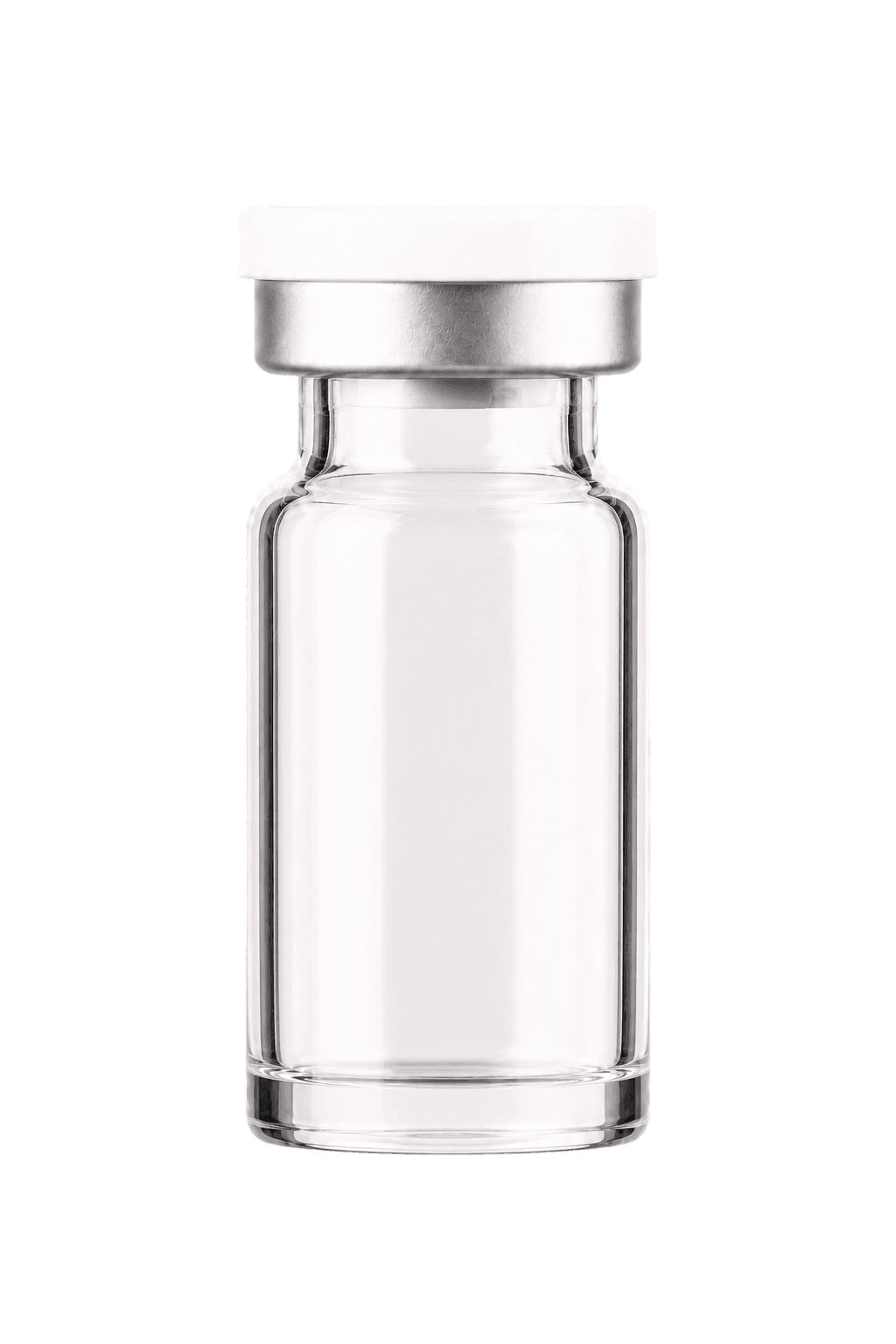
Cagrilintide 10mg research peptide vial — Bulk Peptides Company

YOUR LOGO HERE

CAGRILINTIDE

10mg

For Research Use Only

Lot: —

Bulk Peptides Co.

  • Third-party tested
  • ≥98% HPLC
  • COA per lot
Incretin & Amylin Receptor Agonists

Cagrilintide

For Laboratory Research Use Only — Not for Human or Veterinary Use.

Standard (< 1,000 vials)$340/kit
Volume (1,000+ vials)$250/kit
= 10 vials

Minimum order: 100 vials total. Mix and match across all products.

Specifications
CAS Number1415456-99-3
Molecular FormulaC194H312N54O59S2
Molecular Weight4409.01 g/mol
Purity≥98% (HPLC)
FormLyophilized Powder
Storage-20°C, desiccated, protected from light
ReconstitutionBacteriostatic water
Certificate of Analysis

Lot documentation

Every production lot is independently third-party tested. A batch-specific Certificate of Analysis — documenting HPLC purity, mass spectrometry identity confirmation, and net peptide content — is issued with every shipment. View a sample COA to see the format.

Research context

A long-acting amylin analog engineered against the aggregation that makes the native sequence difficult to work with. Supplied lyophilised, with disulfide integrity verified per lot.

Structure and molecular target

Cagrilintide is a 32-residue analog of human amylin, a pancreatic islet peptide co-secreted with insulin. It carries an intramolecular disulfide bridge between the cysteines near the N-terminus and a C-terminal amide, both of which the native sequence also has and both of which are required for receptor engagement.

The central engineering problem this molecule addresses is aggregation. Native human amylin is strongly amyloidogenic and readily forms insoluble fibrils in solution, which makes the unmodified sequence impractical as a research reagent. Substitutions in the aggregation-prone central region suppress that behaviour, and a C20 fatty diacid conjugated through a spacer drives albumin binding. Its targets are the amylin receptors, which are heterodimers of the calcitonin receptor with receptor activity-modifying proteins.

Findings in the published research literature

In-vitro characterisation centres on cAMP accumulation in cell lines co-expressing the calcitonin receptor with each of the three receptor activity-modifying proteins, since selectivity across those heterodimer combinations is the meaningful pharmacological description for an amylin analog rather than a single affinity figure.

A second and unusual strand of the literature concerns fibrillation itself. Thioflavin T fluorescence assays and transmission electron microscopy are used to compare aggregation kinetics against native amylin, and those measurements are as central to characterising this molecule as receptor binding is. Animal-model work has examined satiation-related signalling at hindbrain amylin receptor populations.

Analytical verification

This sequence contains cysteine, which changes what lot release has to establish. Beyond reversed-phase HPLC purity and mass spectrometry identity, the disulfide bridge must be confirmed as correctly formed, because a scrambled or reduced variant has a mass differing by only two daltons from the intended molecule and is readily missed on a routine mass check.

Peptide mapping under non-reducing conditions is the method that resolves this, and the C-terminal amide requires separate confirmation since the free-acid form is a common and inactive by-product. Size-exclusion chromatography is worth running on any amylin analog to detect soluble aggregate, which will not appear on a reversed-phase purity assay at all.

Handling and storage

SolubilitySoluble in neutral aqueous buffer. Avoid conditions that concentrate the peptide at an air-liquid interface.
ReconstitutionAdd diluent slowly against the vial wall and swirl. Agitation is a specific hazard for amylin analogs, since interfacial shear is a known nucleation route for fibril formation.
StorageLyophilised powder at -20C, desiccated. Reconstituted solution at 2-8C, used promptly.
StabilityAggregation rather than hydrolysis is the limiting factor in solution. Prolonged storage of reconstituted material risks soluble oligomer formation that a purity assay will not report.

For Laboratory Research Use Only — Not for Human or Veterinary Use